But don’t you see? Those taxes are not relevant to the idea of ‘taxation without representation’ because those taxes have no association with representation.
I don’t see. Not trying to be obstinate, but I must be missing the nuance. What does it mean for a tax to have “association with representation?” Elected representatives passed the laws that implemented these taxes, right?
There was no income taxes. There were tariffs and property taxes imposed by state governments. The Stamp Act first introduced taxes that went directly to the crown and funded British troops in the colonies.


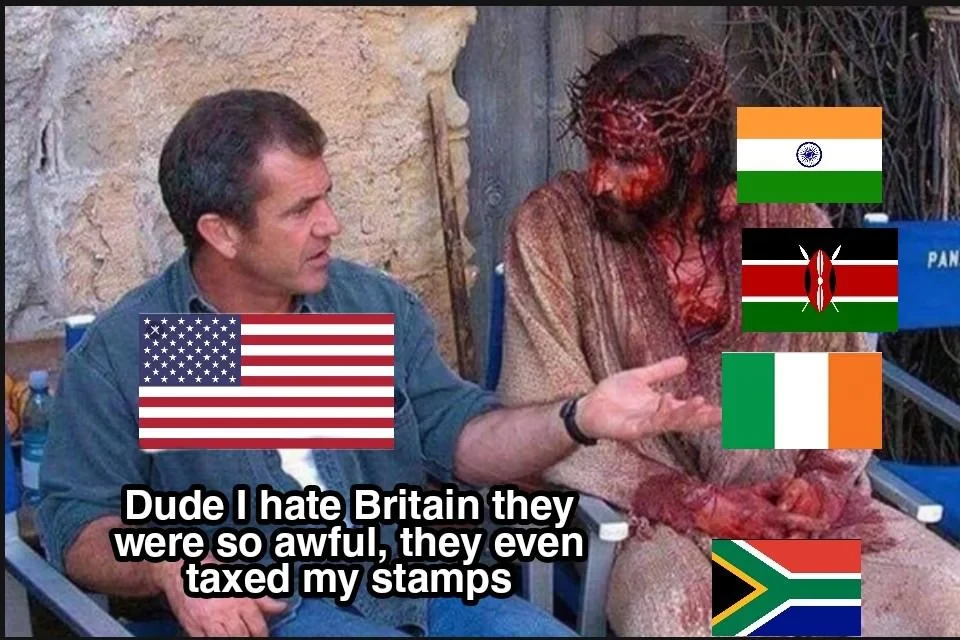
I didn’t think the issue of “taxation without representation” hinged on whether or not the citizens benefitted from how the taxes were spent.
It’s not like the Stamp Act of 1765 was an income tax, either.
But don’t you see? Those taxes are not relevant to the idea of ‘taxation without representation’ because those taxes have no association with representation.
I don’t see. Not trying to be obstinate, but I must be missing the nuance. What does it mean for a tax to have “association with representation?” Elected representatives passed the laws that implemented these taxes, right?
There was no income taxes. There were tariffs and property taxes imposed by state governments. The Stamp Act first introduced taxes that went directly to the crown and funded British troops in the colonies.