
East London dweller, cyclist, swimmer, runner powered by plants and great tunes. 時々日本語でつぶやきますよ。
- 24 Posts
- 4 Comments







 2·2 months ago
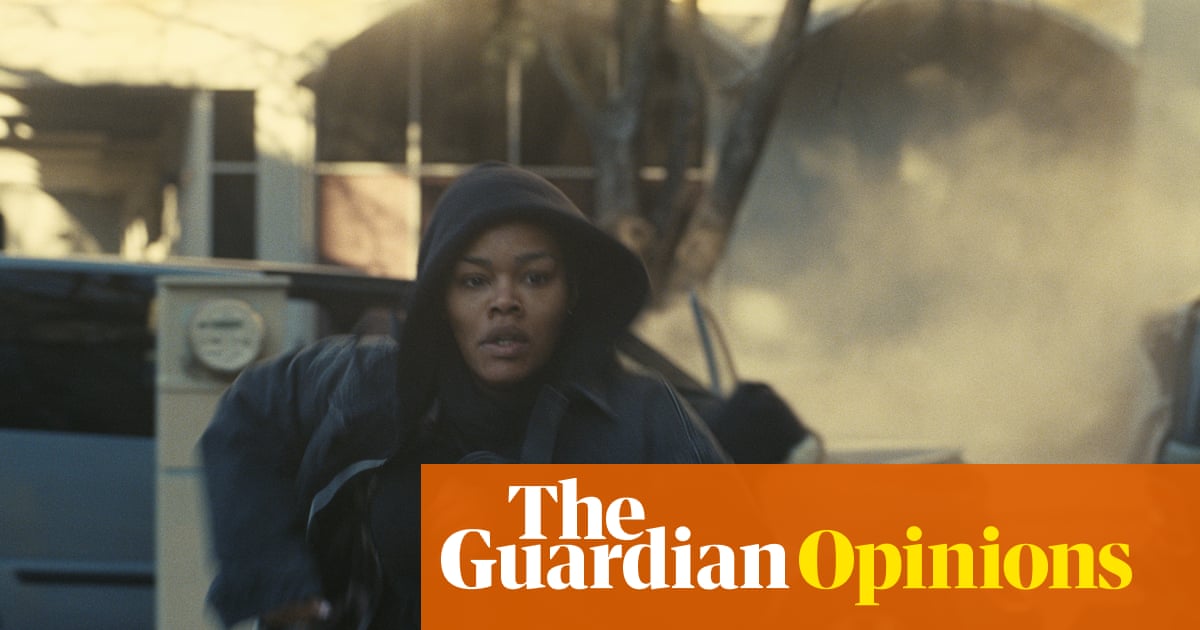
My favourite part of the article is where she writes:
Sorry to complicate your enjoyment of your new favourite film. I know pointing this out risks upsetting those Letterboxd loyalists who can brook no challenge whatsoever to their favourite film-maker. To them I say: please don’t worry yourselves unduly about Anderson’s feelings. He’s a big boy. I promise you; he can take it.
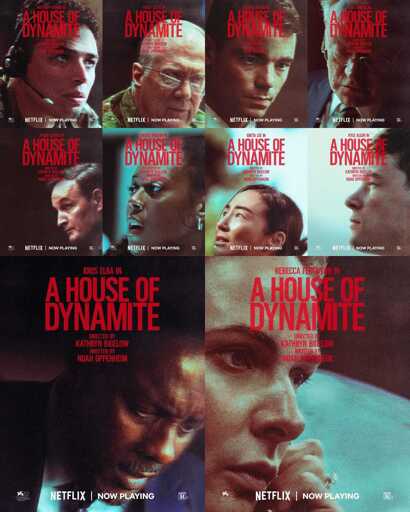
I still think it’s a great film, with one of the greatest cinematic car chase scenes, but having read the article, I can see why it has problematic depictions of black women.
deleted by creator


 2·2 months ago
Where in the transcript does he say this? The opening sentences is:
Nearly 50 years ago, Cedars-Sinai chief of pediatrics Ben Feingold, published heresy, suggesting that artificial food colors could induce behavioral disturbances.
The article is not claiming that food colouring causes neurodiverdancy. The summary of the article states:
Excluding artificial food colors from children’s diets can improve ADHD symptoms.
It then goes on to explain that food colouring can affect the behaviour of young children, including those with ADHD.
This time, researchers found that artificial colors and other food additives in processed foods appeared to exacerbate hyperactive behaviors—inattention, impulsivity, and overactivity—among young children, with more pronounced effects in three-year-olds relative to eight-or nine-year-olds.
But what happens in children already diagnosed with ADHD if you remove artificial food colors? In a meta-analysis of randomized controlled trials for dietary interventions for ADHD, excluding artificial food colors from the diet significantly improved behavior.





The Guardian also wrote about the depiction of black women in the film