davel [he/him]
| Pronouns | he/him |
| Datetime Format | RFC 3339 |
- 16 Posts
- 1.05K Comments
 5·5 hours ago
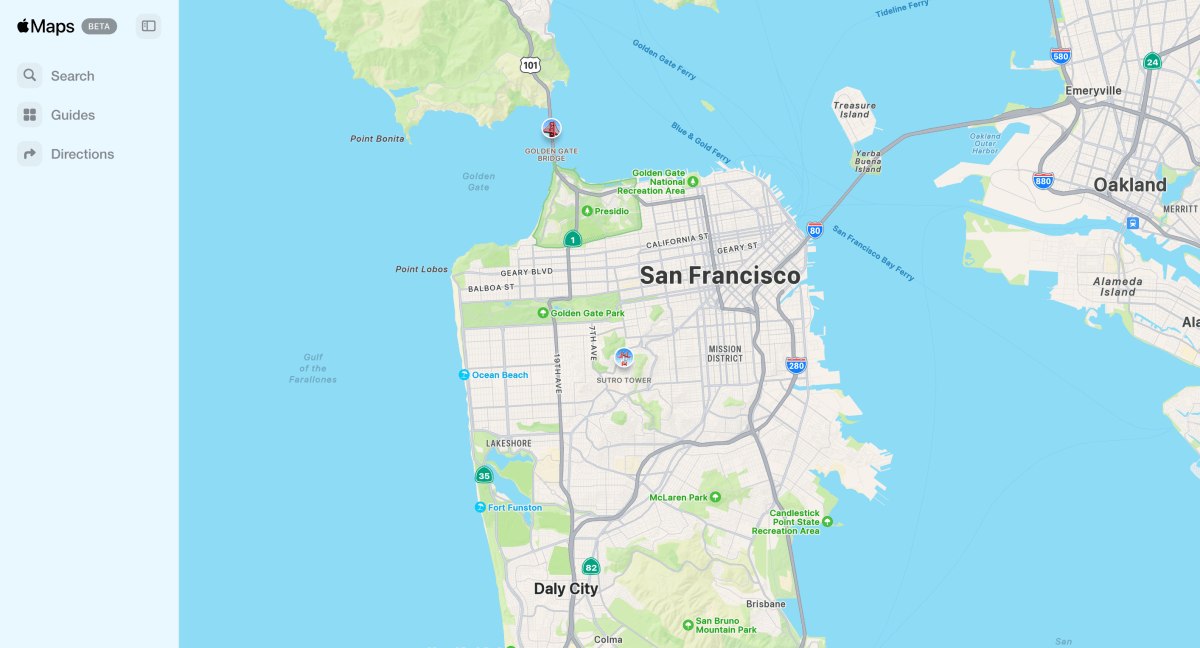
It’s a city, it’s a really big rock, it’s a maritime port, it’s the only wild monkey population in Europe, it’s a 2½ mi2 British Overseas Territory whose status is perennially contested by Spain.
Pueblo, CO
Mostly because it is (or was) a publication distribution hub.
Virtually no one outside of the US will have heard of it, though.
Sandy Hook is ~9,000. You may not remember, but Alex Jones does.
Gibraltar has a population of 32,000, which by some definitions is too small to be considered a city.
Nathan J. Robinson: The Truth Is Paywalled But The Lies Are Free
Paywalls are justified, even though they are annoying. It costs money to produce good writing, to run a website, to license photographs. A lot of money, if you want quality. Asking people for a fee to access content is therefore very reasonable. You don’t expect to get a print subscription to the newspaper gratis, why would a website be different? I try not to grumble about having to pay for online content, because I run a magazine and I know how difficult it is to pay writers what they deserve.
But let us also notice something: the New York Times, the New Yorker, the Washington Post, the New Republic, New York, Harper’s, the New York Review of Books, the Financial Times, and the London Times all have paywalls. Breitbart, Fox News, the Daily Wire, the Federalist, the Washington Examiner, InfoWars: free!

Docker, no docking!
Docker, no docking!
Docker, no docking!
If you’re willing to do that for the US state, there’s certainly money to be made.
 101·1 day ago
I recommend listening to this excellent rant: Why the Democratic Party CANNOT and WILL NOT be Reformed
You may as well ask, what would happen if the Democratic party were a different party?
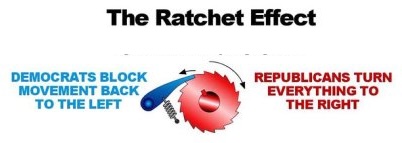
The DNC pulled out all the stops to keep Sanders from the general election, twice. They can absolutely win elections, when they want to block any movement toward the left.
I recommend listening to this: Why the Democratic Party CANNOT and WILL NOT be Reformed
She spent a million of it on this chat with Oprah.
To believe that this election echoes the Jim Crow era is to believe the DNC & MSNBC crowd’s argument that Harris lost the election because of the basket of deplorables’ racism and misogyny. Not to say that those are not factors at all, because racism & misogyny definitely are still a thing; they always have been. But this argument conveniently distracts from the Democratic party’s own causes for their failures.
The Democrats fail because they’ve embraced grinding neoliberalism for an entire generation, because they abandoned the working class long ago. The DNC crushed Sanders—twice—because even a little social safety net, as a treat, is a bridge too far for them.
Oh Xserve, we hardly knew ye 😢
 9·2 days ago
Oh Xserve, we hardly knew ye 😢
No. Is that a recent development? The Verge in June: X has new rules that officially allow porn now

And Xitter is full of porn and neoliberal, Democratic party-aligned pundits, but doesn’t negate the fact that it’s a Nazi bar.
If you’re running into fascists and racists, then maybe you’re hanging out in the wrong parts of the fediverse.
c/NotTheOnionButAlsoYesTheOnion
Who owns The Onion? What to know after satire publication buys Alex Jones’ Infowars
The current owner and chairman of The Onion is Jeff Lawson, with Ben Collins listed as chief executive officer, according to the publication’s website.
However, The Onion’s parent company is Global Tetrahedron, where Bryce P. Tetraeder is CEO.
Collins should GTFO of Bluesky, because it is a Nazi bar, about as much as 𝕏itter is.








Or, if you prefer reading: