When openai slops an image, they mathematically bias some random decisions.
They can then check an image for its ‘decisions’ and when there is enough of this bias can with certainty say it was changed by their process.
The ‘decisions’ are random and encrypted, and survive most image processing. If you crop some away or some are destroyed by an applied filter, there are enough remaining to still make it a cryptographically certain detection.
So basically it’s a watermark that’s pretty much impossible to destroy. The EU requires all ai images to have these now.
openai has a page where without needing an account you can upload an image and it checks if it has their synth id.
Since this is not some ai slopped detection but checking their own secret watermark, it’s reliable (for images with enough detail made specifically by openai after they started adding these). So it’s reliable against false positives.

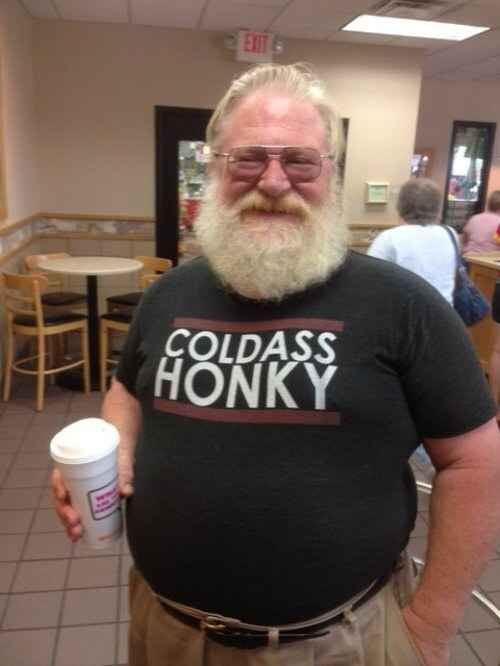

The floor (?) grid of the shopping card in the lower left weirdly breaks up and transitions between two patters.
Edit:
Yeah it has an openai synth id.
It’s also low res which should be increasingly suspicious now. Common way to obscure ai signs.
What’s an openai synth ID?
When openai slops an image, they mathematically bias some random decisions. They can then check an image for its ‘decisions’ and when there is enough of this bias can with certainty say it was changed by their process.
The ‘decisions’ are random and encrypted, and survive most image processing. If you crop some away or some are destroyed by an applied filter, there are enough remaining to still make it a cryptographically certain detection.
So basically it’s a watermark that’s pretty much impossible to destroy. The EU requires all ai images to have these now.
openai has a page where without needing an account you can upload an image and it checks if it has their synth id.
Since this is not some ai slopped detection but checking their own secret watermark, it’s reliable (for images with enough detail made specifically by openai after they started adding these). So it’s reliable against false positives.