Planting seeds works better than you’d think. I thought it was wishful thinking until seeing a ton of people in my life become way more receptive about this kind of stuff years later and actually taking action on it too
- 187 Posts
- 342 Comments
Joined 3 years ago
Cake day: June 1st, 2023
You are not logged in. If you use a Fediverse account that is able to follow users, you can follow this user.
Context for the Elwood’s title https://www.elwooddogmeat.com/
Sidebar: Something most people don’t realize is that both will probably be killed at the end of the experiment :(
This is what usually happens after every experiment no matter if they survive the experiment or not


 3·11 days ago
One of the other groups listed in the article specifically is requiring 30% of mains to be plant-based
It’s a starting point to keep increasing the number, at least
 5·13 days ago
For those confused by the graph at the bottom: Plants are inputs as feed to chickens. That’s the starting point this is using and comparing the losses to
Even if we include transport and processing and use worst cases of those, the efficiency is still massively improved by eating plants
Transport is a small contributor to emissions. For most food products, it accounts for less than 10%, and it’s much smaller for the largest GHG emitters. In beef from beef herds, it’s 0.5%.
Not just transport, but all processes in the supply chain after the food left the farm – processing, transport, retail and packaging – mostly account for a small share of emissions.
It’s mentioning those as another step energy loss from the feed happens. As energy from feed is going to parts of chickens that humans will not eat (feather, bones, etc.)
What you eat ends up mattering a lot more than transport. Transport is a small portion of emissions
Transport is a small contributor to emissions. For most food products, it accounts for less than 10%, and it’s much smaller for the largest GHG emitters. In beef from beef herds, it’s 0.5%. Not just transport, but all processes in the supply chain after the food left the farm – processing, transport, retail and packaging – mostly account for a small share of emissions. This data shows that this is the case when we look at individual food products. But studies also shows that this holds true for actual diets; here we show the results of a study which looked at the footprint of diets across the EU. Food transport was responsible for only 6% of emissions, whilst dairy, meat and eggs accounted for 83%.
I think that’s misunderstanding what this is saying. Plants are inputs as feed to chickens. That’s the starting point this is using and comparing the losses to
It wouldn’t make much sense to, for example, compare sunlight energy as an input
I think there’s probably a better word than clickbait to describe that, but I get what you’re saying now
It’s not exactly clickbait, this was a frame from a video of them actually making it. It’s just not from a real plant (they blended together grapes and put a stem)
And even oreos too (a lot of people have no idea those are vegan)
Giant grape from a video of someone making a giant grape (they put blended grapes together and then added a stem)
So in other words Tyson’s claiming an obligation to get rid of animal agriculture
Thank you, thank you
Safer in so far as it gives them little room to say no and make bigger resistance attempts. Neither method exactly is exactly great, to be clear, but neither has to happen. It’s something we’re choosing to make happen by making this an industry in the first place
I meant constantly as in the second dictionary definition of happening super frequently
2 : with regular occurrence
https://www.merriam-webster.com/dictionary/constantly
The broader point was impregnated many times. Having a few months “off” does not make much of a difference to that point
Neither practice is exactly great, to be clear. The industry does not exactly take cows, pigs, sheeps attempt to say no to mating into account no matter them method. When it’s not artificial insemination, they’re still holding them down to keep them from leaving
First, states have ban on bestiality. Industry somewhat neutral at first, but then the industry start to want to artificially insemination. For several reasons. Farm animals can be resistant of their attempts to force them to mate and artificial insemination makes it harder for them to avoid. Animal farmers want to have fewer male farm animals since it’s cheaper to kill them than to pay to raise them. Farmers also want to be able to better artificially select genes meaning more “productivity” (higher slaughter weight, more milk production, more egg production, etc.) even if at the expense of their health. The dairy industry especially wants this because they have to keep a cow pregnant constantly to produce milk
Process to collect semen for artificial insemination requires restraining farm animal and then forcibly jerking them off, electrically simulating, or similar. Process to inseminate requires restraining cow and then putting hand up their genitals to keep them pregnant.
No way to collect semen for artificial insemination without removing ban on bestiality since both ends of it break those law. So they lobby hard to add an exemption for themselves


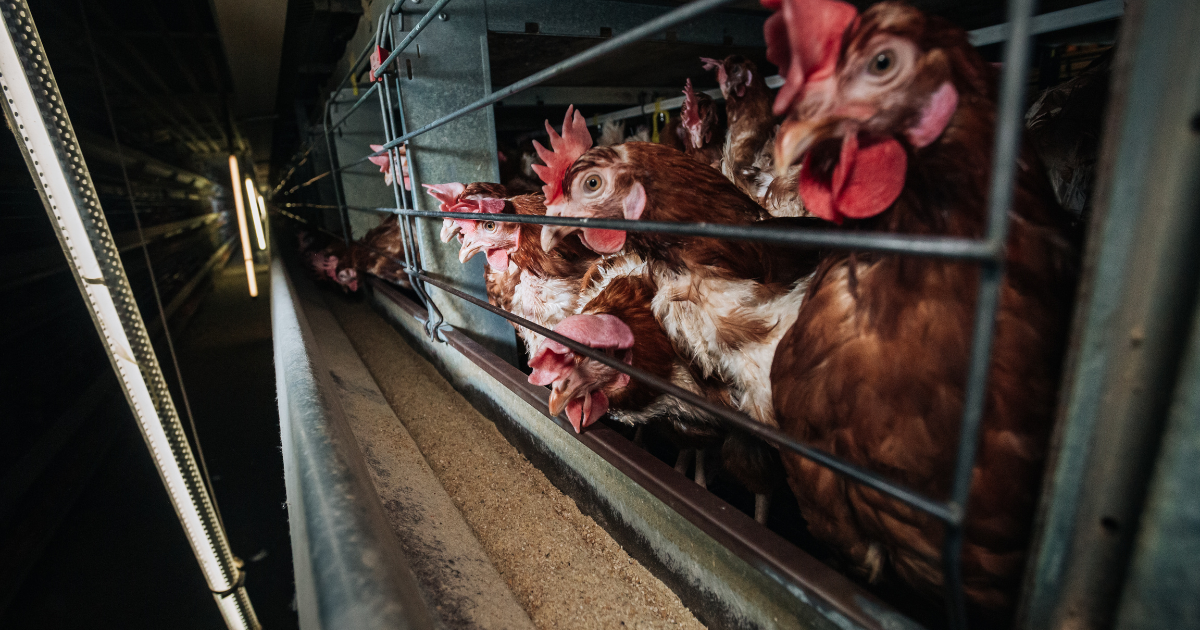
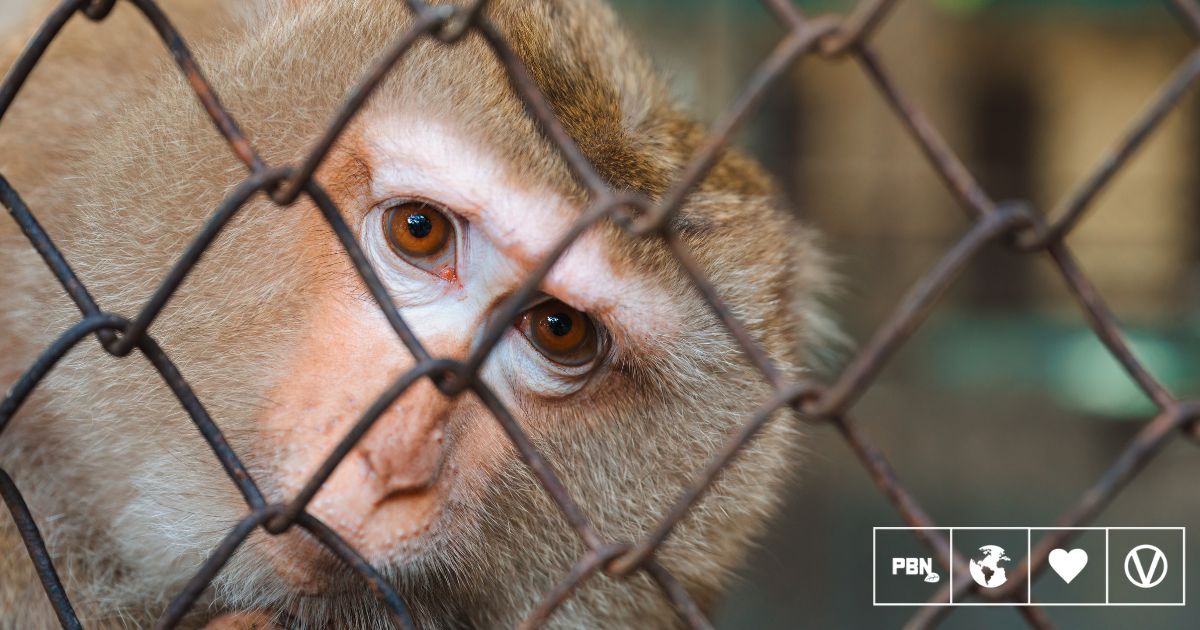


I mean who’s going to say no to this